Research & Case Studies
Explore the latest Research & Case Studies showcasing real-world insights, lived outcomes, and evidence-based findings.
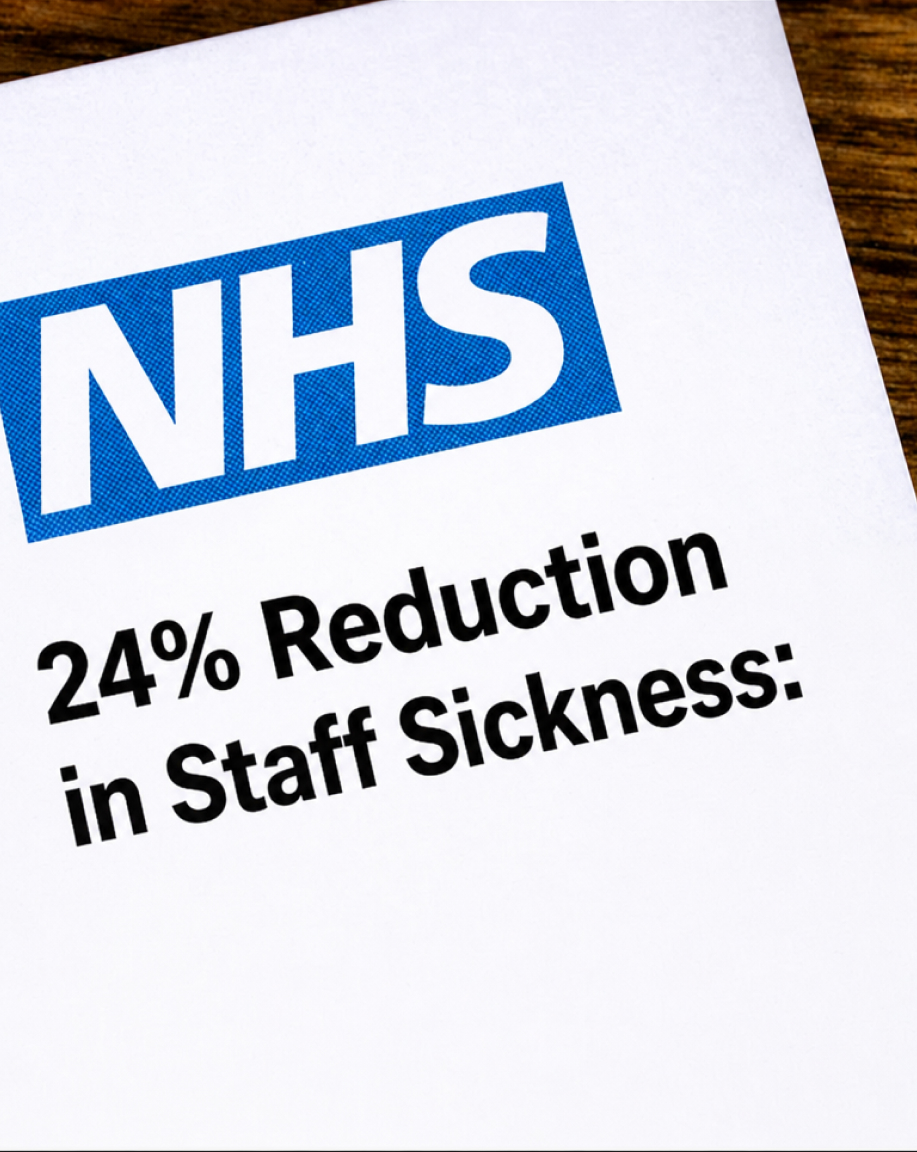
24% Reduction in Staff Sickness
The study found that employee wellbeing interventions:
- 76% staff uptake across intervention wards
- Reduced burnout risk and improved workforce stability
- -24% short-term staff sickness absence
- £1.14m annualised trust-wide saving
The Impact of HUMAN by ShareGratitude – Mr Louis Vitone,
Clinical Director for General Surgery, ELHT
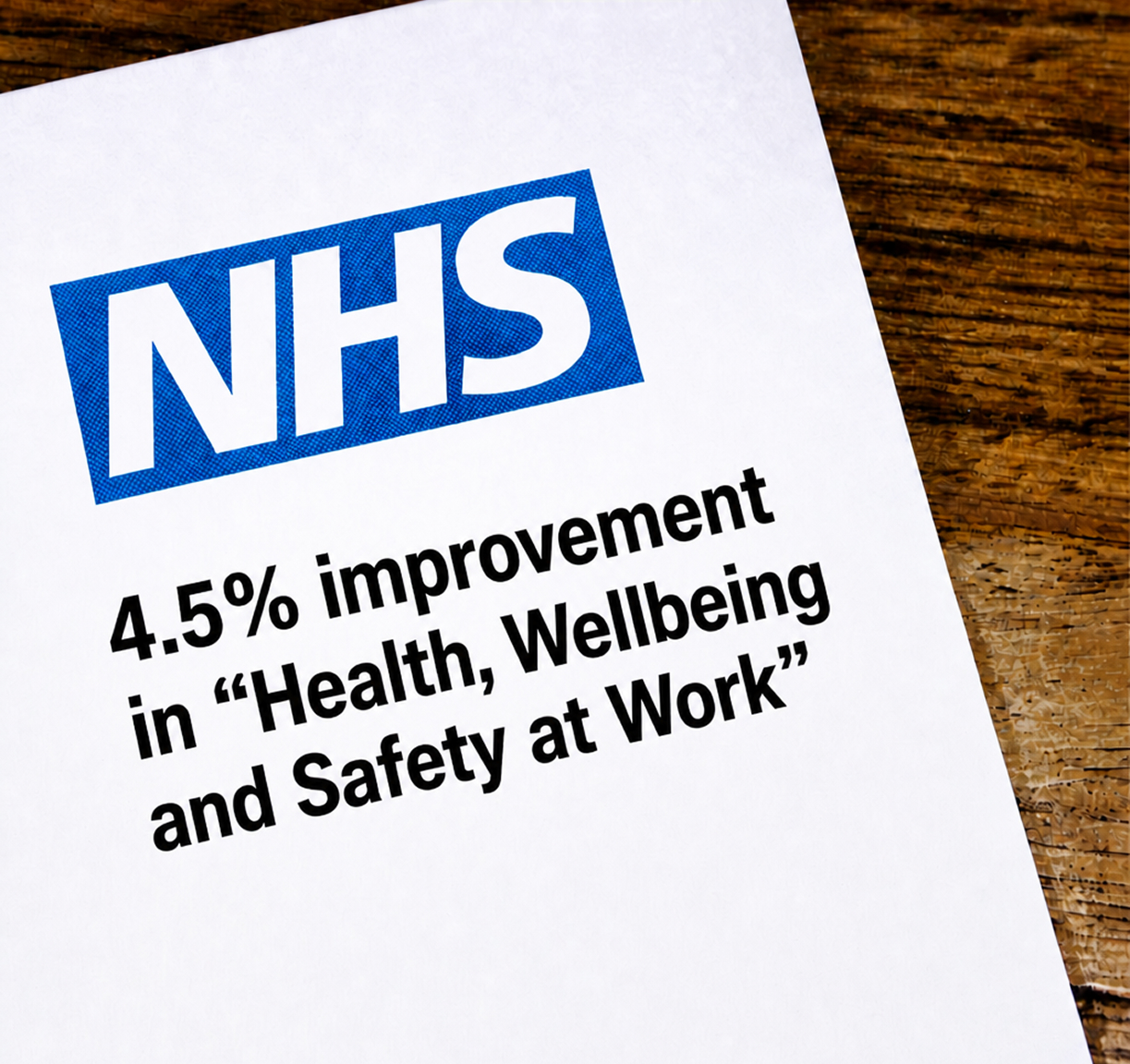
4.5% improvement in ``Health, Wellbeing and Safety at Work``
The study found that employee wellbeing interventions:
- 96% staff uptake across intervention wards
- 4.5% improvement in “Health, Wellbeing and Safety at Work”
- -17% short-term staff sickness absence¹
- £1.47m annualised trust-wide saving
St Mark’s 12-Month Report – Nyarai Gondo,
Associate Chief Nurse, LNWH
Non-Financial Rewards.
Evidence shows that staff recognition and non-financial rewards:
-
Have a moderate to large effect on workplace performance (Level A)
-
Have a large positive impact on staff attendance (Level A)
-
Produce strong positive spill-over effects on other employees (Level A)
Staff recognition and non-financial rewards consistently deliver significant positive effects on performance, attendance, and team morale.
Social Recognition & Performance.
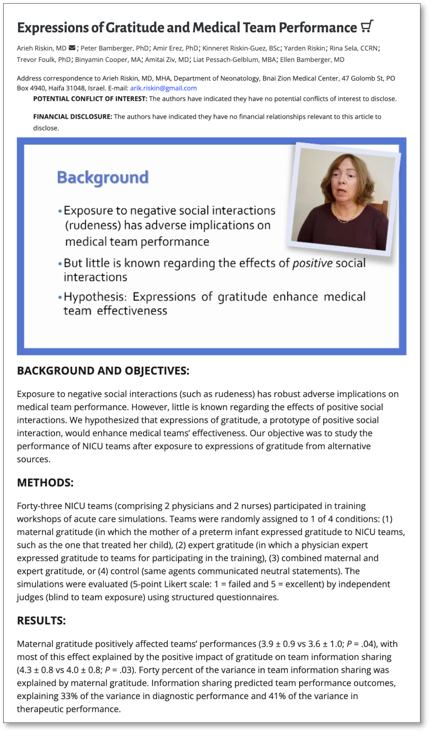
Exposure to negative social interactions is known to harm medical team performance. This study explores whether patient-expressed gratitude, as a form of positive social interaction, could have the opposite effect.
Patient-expressed gratitude significantly enhances medical team performance, primarily through improved communication and information sharing…
A Well-motivated Workforce.
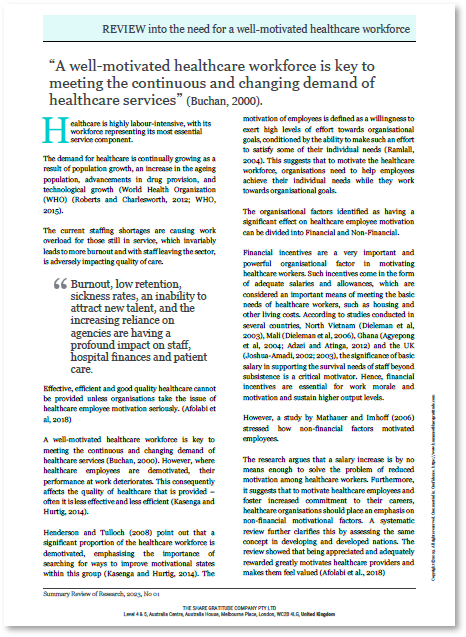
Current staff shortages have increased workload and burnout, leading to higher attrition and reduced care quality.
Recognition is especially important for those staff who most often remain unthanked, such as those in junior and ancillary roles. It strengthens whole team resilience, reduces burnout and sickness absence, improves retention, and lowers dependency on recruitment and agency cover.